Both natural and synthetic ropes have a range of benefits for garden applications, but how do you know which is best for your project?
Read on as the experts at Garden Ropes break down everything you need to know before making the decision.
Natural garden ropes
A traditional aesthetic
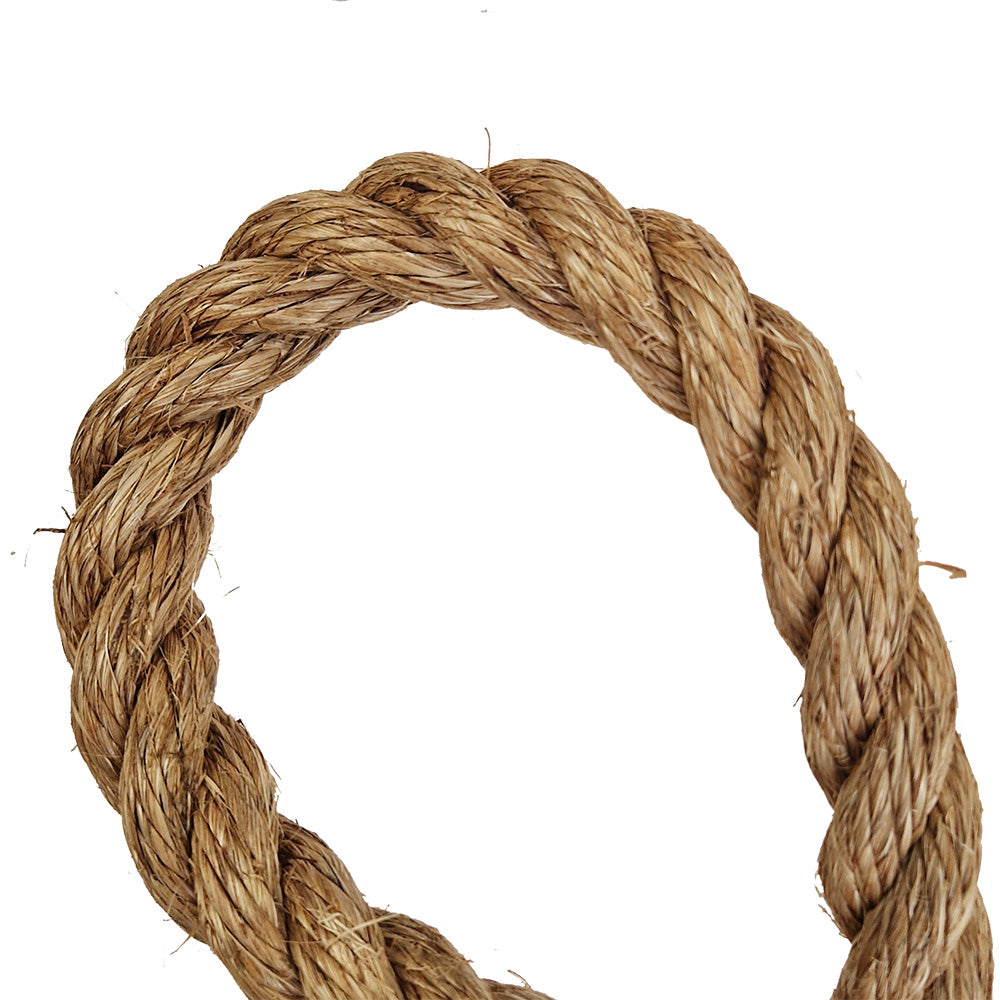
Naturally sourced and natural in their appearance.
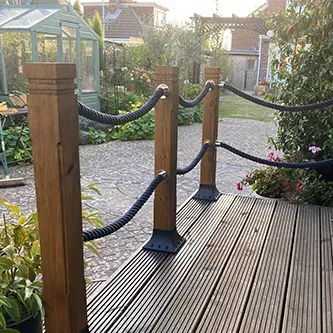
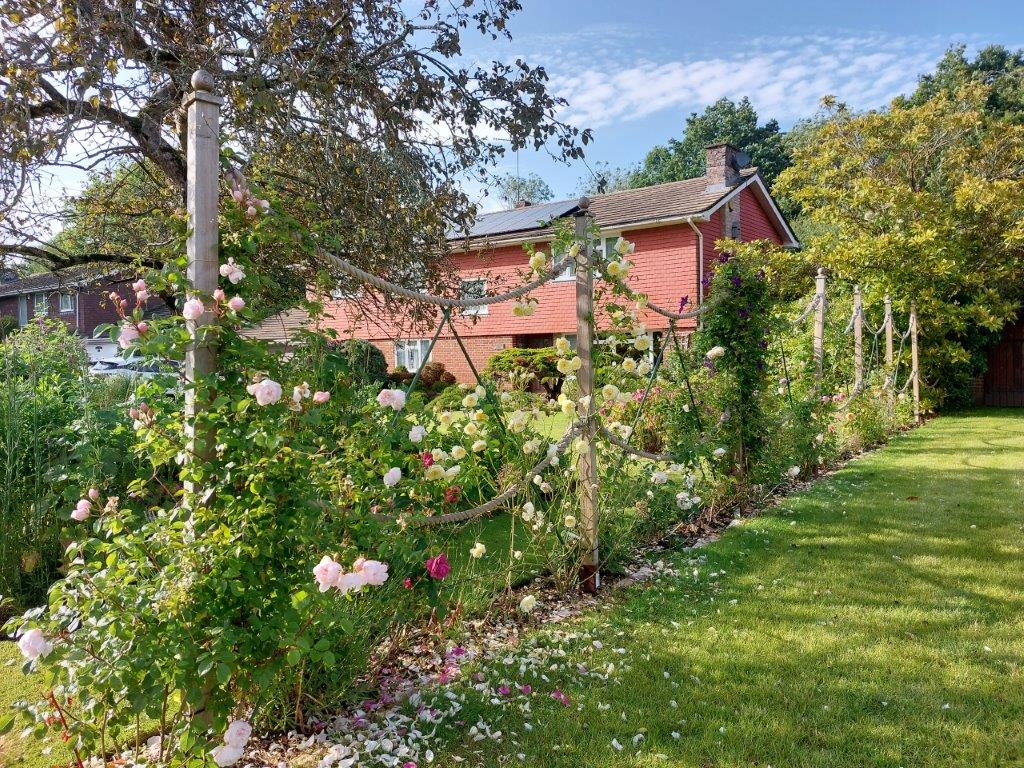
Perhaps unsurprisingly, natural garden ropes all have a ‘classic rope’ look and feel, making them an attractive choice for decking, rope fences, lawn edging, rope swags, and more.
Their rugged and rustic aesthetic looks fantastic in a garden environment, perfectly complementing any timberwork, planting, and foliage. They have a slightly rougher texture than synthetic options, yet they remain pleasant to handle.

Eco-friendly
Trying to do your bit for the environment?
In most cases, natural ropes do exactly what they say on the tin. Manila ropes are made using fibres solely from the abacá plant, Sisal rope fibres are derived from the leaves of the agave sisalana, and Flax Hemp ropes are made from natural hemp fibres.
As such, they’re renewable, biodegradable, and have minimal impact on the environment – making them a much more eco-friendly option compared to synthetic ropes, which are typically manufactured from man-made fibres, such as polypropylene, nylon, and polyester.
A great halfway house is Jute rope, crafted using fibres harvested from the bark of a jute plant, such as Corchorus olitorius or Corchorus capsularis. Our Jute has a synthetic core for extra strength.
Underestimated performance
Whilst they certainly can’t compete with fully synthetic products in terms of their strength and durability, natural fibre ropes are still pretty tough. They will break down much quicker in an outdoor environment, but they can actually survive many years outdoors without any issues.
Natural garden ropes are inherently strong, typically with a good minimum breaking strength. They’re resilient to wear and tear and harsh weather conditions, including high temperatures and can stand up to UV rays and abrasion. Plus, they can be pretty resistant to the effects of water.
Natural fibres tend to shrink when they get wet, but this can be easily offset by adding an extra 10-15% to the length. Generally speaking, you can subject the ropes to continuous damp or even wet conditions for many years, and they will easily maintain their integrity.
Our recommended natural ropes for garden use are:
|
Rope type |
Details |
|
Available to buy by the metre, on reels and in coils, in diameters ranging from 6mm to 40mm. |
|
|
From 6mm to 36mm. |
|
|
Sold by the metre, wound on reels or in large coils to match your requirements (note – the jute rope that we stock has a synthetic core, made of polypropylene, to add strength). |
|
|
For purchase in reels, coils and by the metre in thicknesses ranging from 6mm to 40mm. |
Synthetic garden ropes
Superior performance
When strength and durability are the priority, you can’t go wrong with a synthetic rope.
The hardest option out of the two, they tend to be around 20% stronger than most natural garden ropes. They’re specifically designed to be robust and resilient in the outdoors; fully weatherproof, UV stabilised, and with excellent resistance to rot, mould, and mildew.
Needing very little maintenance, they can be left in your garden for many years – subject to prolonged damp conditions and wear and tear – and will still do the job just as well.

No shrinkage
Unlike natural fibres, synthetic ropes don’t absorb water. Which means, the fibres don’t swell when they come into contact with rain, dew, or humidity – and you don’t get the same issue of shrinkage. If you need an outdoor rope that can offer you a consistent length, as well as continuous strength and integrity, synthetic options are likely to be more reliable.
Easy on the skin
Synthetic garden ropes may be a tough cookie, but they can be a big softie on the surface.
Several are soft-to-touch and kind to the skin, whilst still being easy to grip. Making them a good choice for handrails, plus children’s play equipment, such as rope swings and ladders.
Range of colours and finishes
In terms of style, there’s much to choose from.
If you’re hoping for a ‘traditional rope’ look, natural garden ropes aren’t your only option. Synthetic hemp, for example, has a deceptively authentic look and feel. By combining its impressive performance properties (e.g. strength, durability, and resilience) with a pleasing rustic aesthetic, it offers the best of both worlds and would look fantastic in any garden. It is one we recommend and sell a lot of.
Or maybe you’re eager to brighten up your outdoor space?
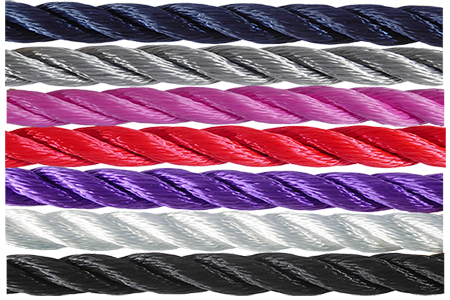
PolySilk is a soft, colourful, and luxurious synthetic alternative, which currently comes in seven eye-catching colours: red, purple, white, black, silver grey, navy, and pink. Despite only recently being introduced to our garden rope collection, it’s already proven a very popular choice, particularly for home decking, garden rope fences, outdoor lighting, and other creative projects.
For garden use, we recommend synthetic ropes like:
|
Rope type |
Details |
|
Available to buy in large coils, reels, and by the metre, in diameters ranging from 4mm to 65mm. |
|
|
Each colour is stocked in 24mm diameters and sold by the metre. |
|
|
It looks synthetic, no doubt. But it has its place for things like trailing, lighting, or making funky-looking woven chair seats. |
|
|
Traditionally used in boating circles, this looks perfect in an outdoor nautical setting. We’ve seen customers use polyester ropes in marinas, around water features, and in rope rails. |
Why choose Garden Ropes?
Here at Garden Ropes, we’re specialists in rope. Our family business dates back to the 1920s – demonstrating 100 years of expertise and superlative customer satisfaction. Enjoy versatile products that can provide a wealth of uses and advantages for your garden year-round.
Ready to discover our ropes for yourself? Browse our collection today, or for more information, get in touch.